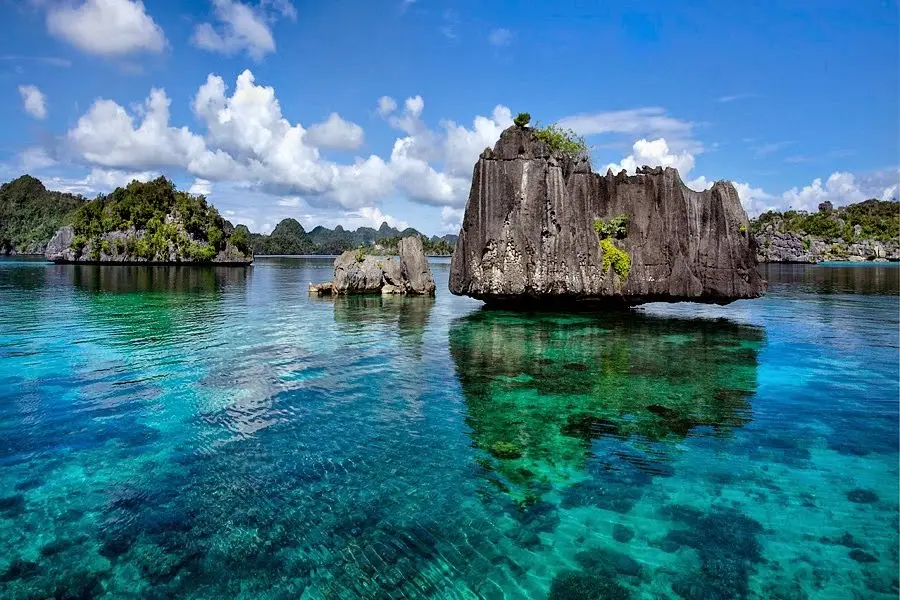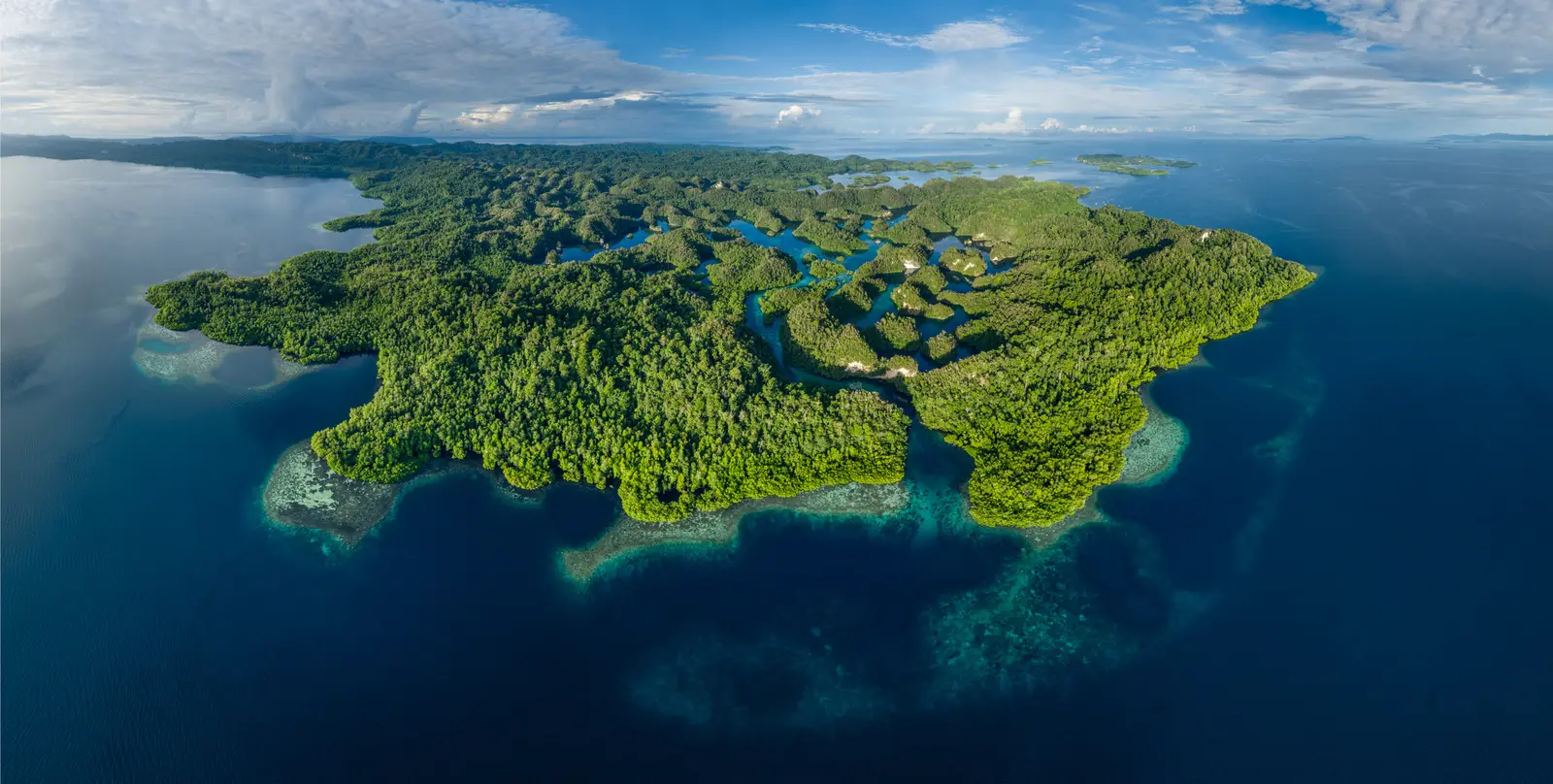

If you dream of gliding through crystal-clear waters surrounded by dazzling coral gardens and thousands of colorful fish, then a Raja Ampat snorkeling trip is your dream come true. Nestled in Indonesia’s remote West Papua region, Raja Ampat — meaning “Four Kings” — is a tropical paradise known for its untouched beauty and world-class marine biodiversity.
While scuba diving in Raja Ampat is famous among professionals, snorkeling here offers an equally mesmerizing experience. You don’t need a tank or heavy gear to explore what many call the richest coral reef ecosystem on the planet.
The Beauty of Raja Ampat Beneath the Surface
Raja Ampat lies in the heart of the Coral Triangle, the global epicenter of marine life. Scientists estimate that over 75% of the world’s coral species and more than 1,500 species of reef fish live here.
When you embark on a Raja Ampat snorkeling tour, you’ll witness:
- Rainbow-colored coral reefs only a few meters below the surface
- Graceful sea turtles gliding effortlessly beside you
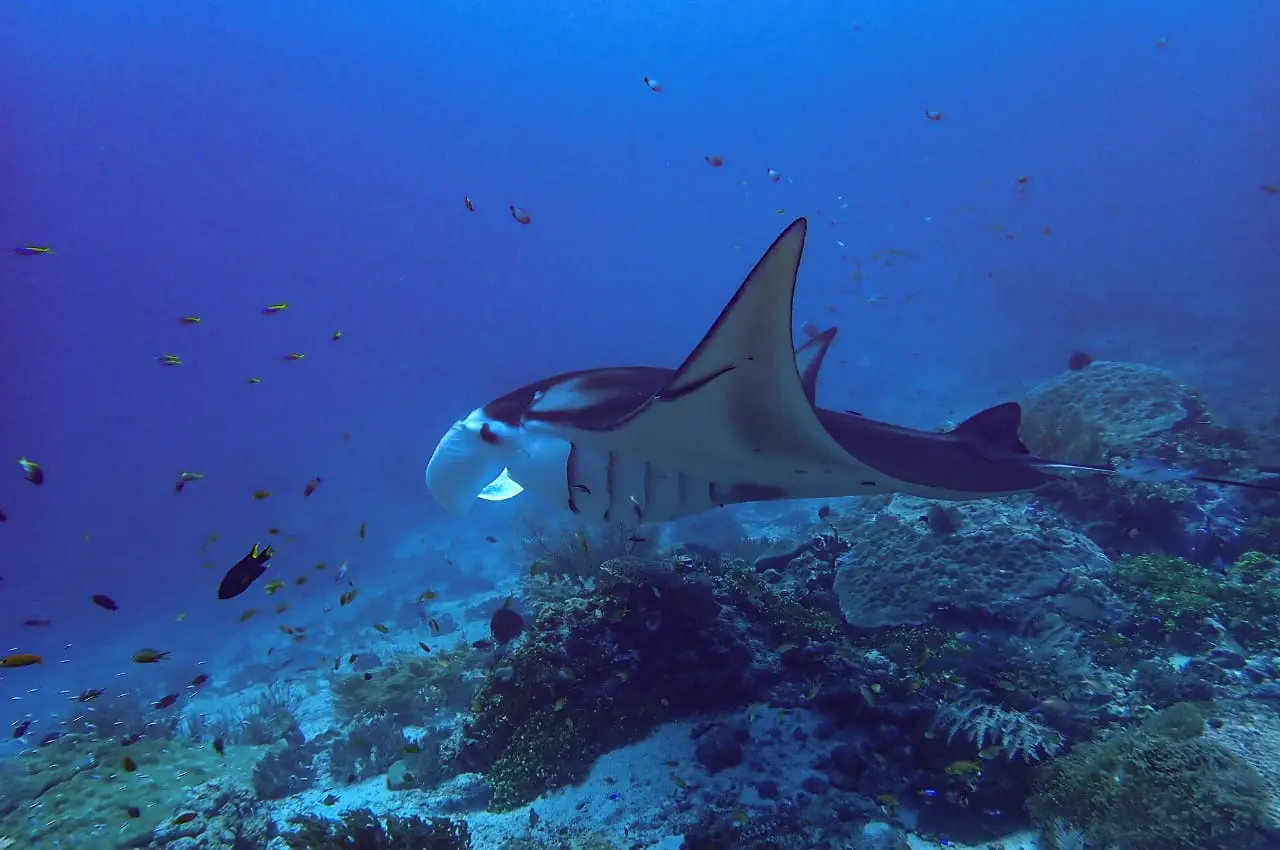
- Playful reef sharks and manta rays that occasionally appear
- Schools of fish moving like living art across the ocean
Unlike other destinations where you must dive deep, the shallow reefs of Raja Ampat make snorkeling just as rewarding — and accessible to anyone with basic swimming skills.
Top Snorkeling Spots in Raja Ampat
There are hundreds of snorkeling sites scattered across the archipelago, but a few stand out for their beauty, accessibility, and vibrant marine life. Here are some must-visit spots during your Raja Ampat snorkeling trip:
1. Kri Island
Kri Island is the most famous snorkeling destination in Raja Ampat. Its reef begins just a few meters from the beach and extends into a deep channel filled with life. You can spot giant trevallies, barracudas, and even wobbegong sharks. The biodiversity here is astonishing — one dive site recorded 374 fish species in a single dive!
2. Arborek Jetty
Perfect for beginners, Arborek offers an easy and colorful snorkeling experience right under the village jetty. Schools of fish, soft corals, and anemones make it feel like swimming in an aquarium. The villagers are friendly, and you can even watch local kids jumping off the pier between your snorkeling sessions.
3. Friwen Wall
A wall of coral stretching beneath the turquoise sea, Friwen Wall is ideal for drift snorkeling. Just float with the gentle current as you pass through bright coral fans and countless reef fish. The combination of light, color, and calm water makes it one of the most photogenic sites in Raja Ampat.
4. Manta Sandy
This legendary site is known for encounters with manta rays, the graceful giants of the ocean. Though primarily a diving spot, snorkelers can often see mantas feeding or circling the cleaning stations just a few meters below the surface.
5. Yenbuba Reef
Located near Mansuar Island, this reef offers calm conditions, perfect visibility, and a rich variety of corals. It’s a great place for long, relaxing snorkeling sessions, especially during sunset when the light paints the reef in golden hues.
The Best Time to Visit Raja Ampat for Snorkeling
Raja Ampat’s tropical climate makes it suitable for snorkeling year-round, but the best time to visit is between October and April. During these months:
- The sea is calm and visibility is at its best (up to 30 meters).
- Manta rays are more frequently seen.
- Rain is minimal, and boat transfers between islands are smoother.
From May to September, occasional strong winds and waves can affect some sites, but snorkeling remains possible in sheltered bays and lagoons.
What to Expect on a Raja Ampat Snorkeling Trip
A Raja Ampat snorkeling tour is typically organized as a day trip or a multi-day liveaboard experience. Most operators provide snorkeling gear, life jackets, meals, and local guides who know the best reefs and safest conditions.
Here’s what a typical 3-day snorkeling itinerary might look like:
Day 1 – Welcome to Paradise
- Morning boat transfer from Sorong to your island resort or homestay.
- Afternoon snorkeling at the nearest reef, such as Arborek or Kri.
- Sunset relaxation on the beach with a coconut in hand.
Day 2 – Island Hopping Adventure
- Early morning trip to Manta Sandy for manta encounters.
- Snorkeling at Friwen Wall and Yenbuba Reef.
- Picnic lunch on a deserted island.
- Evening village walk or bonfire under the stars.
Day 3 – Coral Gardens and Farewell
- Morning snorkeling at Sawandarek Reef.
- Visit the iconic Piaynemo viewpoint for panoramic photos.
- Return boat to Sorong or continue your stay in paradise.
Raja Ampat Snorkeling for Beginners
Even if you’ve never snorkeled before, Raja Ampat is an excellent place to start. The waters are calm, shallow, and clear, making it beginner-friendly. Many eco-resorts and local guides offer basic snorkeling instruction and safety tips.
Tips for First-Time Snorkelers:
- Use a well-fitting mask and test it before your trip.
- Always snorkel with a buddy or guide.
- Avoid touching corals or standing on the reef.
- Use a rash guard for sun protection.
- Bring a GoPro or underwater camera — the views are unforgettable!
Eco-Friendly Snorkeling: Protect What You Love
Raja Ampat is a protected marine park, and visitors must respect its delicate ecosystem. To ensure your Raja Ampat snorkeling trip helps preserve nature, keep these practices in mind:
- Use reef-safe sunscreen that doesn’t contain oxybenzone or octinoxate.
- Do not litter or leave plastic waste on islands or boats.
- Avoid feeding fish — it disrupts their natural behavior.
- Support local conservation initiatives and community-run eco-lodges.
Your responsible actions help maintain the pristine beauty of Raja Ampat for future generations.
Where to Stay During Your Snorkeling Trip
You can choose from various accommodation types depending on your budget and travel style:
1. Eco Homestays
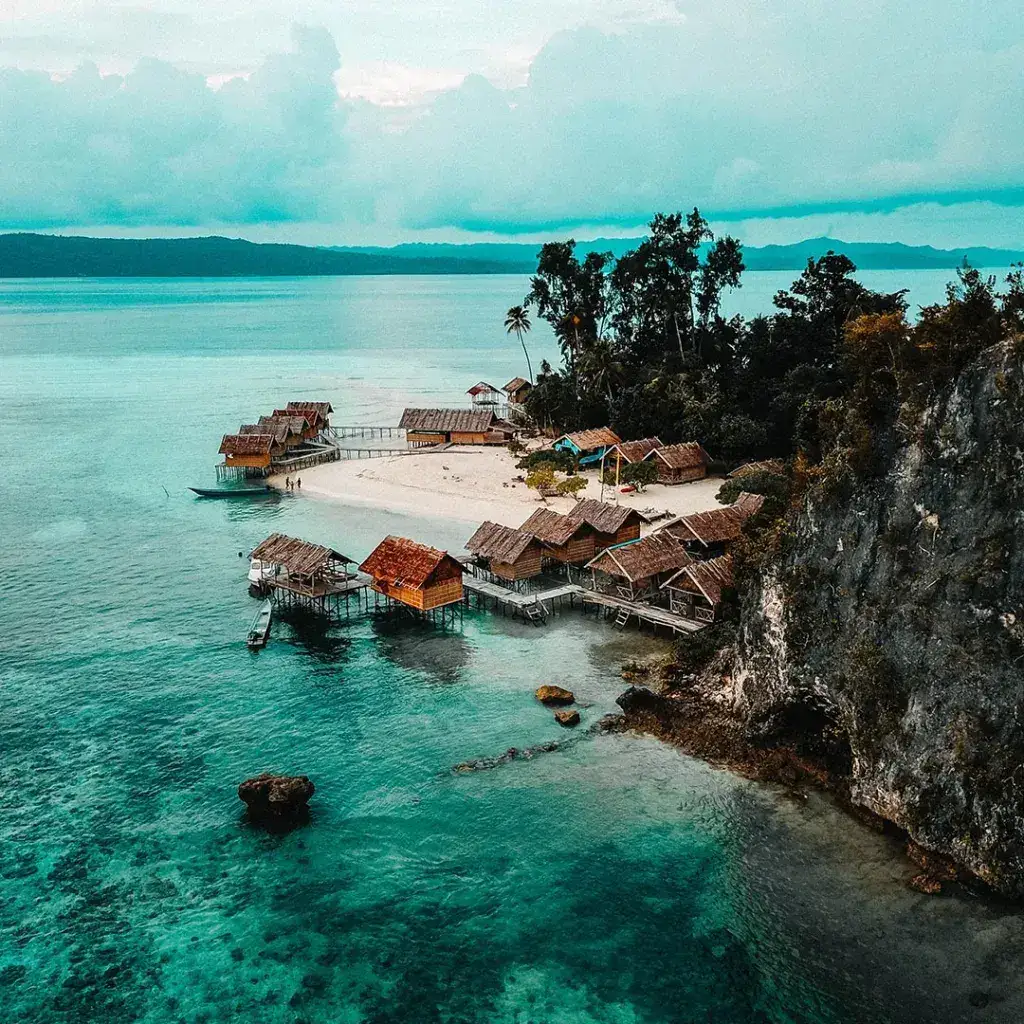
Local homestays in Arborek, Kri, or Mansuar offer affordable stays right by the beach. They’re simple yet comfortable, with meals prepared by local families. It’s the best way to experience Papuan culture while supporting the community.
2. Mid-Range Resorts
For those seeking comfort without luxury pricing, many island resorts offer private bungalows, snorkeling tours, and guided excursions. You can wake up, walk a few meters, and jump straight into the water.
3. Liveaboard Trips
For a truly immersive experience, consider a Raja Ampat liveaboard snorkeling cruise. These boats take you from one stunning reef to another, often combining snorkeling, kayaking, and island exploration.
Cultural Encounters Beyond the Reef
A Raja Ampat snorkeling tour isn’t just about the underwater world. The islands are home to welcoming Papuan communities who live in harmony with the sea. You can:
- Visit local villages to see traditional dances and crafts.
- Learn how locals build boats or harvest coconuts.
- Enjoy freshly grilled fish while listening to stories of the sea.
These moments make your trip not just an adventure, but a cultural connection.
How to Get to Raja Ampat
To reach Raja Ampat:
- Fly to Sorong Airport (SOQ) from Jakarta, Bali, or Makassar.
- Take a ferry from Sorong to Waisai, the capital of Raja Ampat (about 2 hours).
- From Waisai, your tour operator or resort will arrange boat transfers to your chosen island.
It may sound remote — and it is — but that’s what makes Raja Ampat so magical and unspoiled.
FAQs About Raja Ampat Snorkeling Trip
1. Do I need to be an experienced swimmer to snorkel in Raja Ampat?
Basic swimming skills are recommended, but many snorkeling spots have calm waters suitable for beginners. You can also use a life jacket.
2. Is snorkeling safe in Raja Ampat?
Yes, it’s very safe when guided by local professionals. Marine life is not aggressive, and most reefs are in protected zones.
3. Can I see manta rays or turtles while snorkeling?
Absolutely! Sites like Manta Sandy and Arborek are popular for encounters with manta rays, turtles, and other large species.
4. What should I pack for a snorkeling trip?
Bring a mask, snorkel, fins, rash guard, reef-safe sunscreen, and a waterproof camera.
5. Are there snorkeling tours from Sorong?
Yes, many operators offer day trips or multi-day packages departing from Sorong or Waisai, including all transfers and equipment.
Conclusion: Dive Into a Dream — Without Diving
A Raja Ampat snorkeling trip is one of the most unforgettable experiences you can have in Indonesia. Floating above coral gardens, surrounded by vibrant fish and gentle sea life, you’ll understand why this region is called the last paradise on Earth.
Whether you come for adventure, photography, or pure relaxation, the reefs of Raja Ampat will leave you speechless — and longing to return.